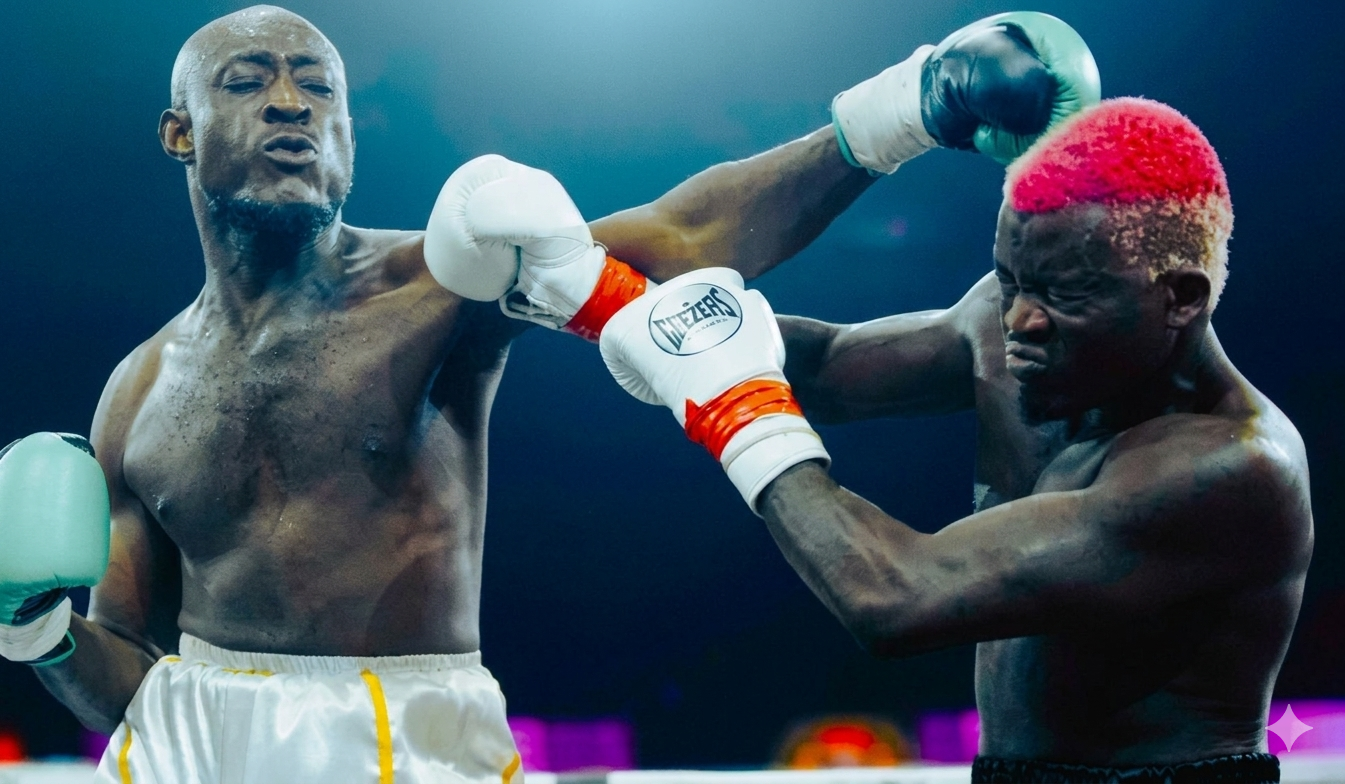
Social media went into overdrive a month ago before, during, and after the now famous fight between Portable and Carter Efe, two entertainers, two chaos merchants, and somehow, two men with causes.
The pair went toe-to-toe in a celebrity boxing match that, on paper, should have been ridiculous. And maybe it was. But it was also captivating.
I watched a lot of it- the pre-fight hype, the online insults, the weigh-ins, the theatrics, the actual fight, and the fallout afterward. And honestly, it was one of the most entertaining things I have seen in Nigerian boxing in a long while, yet, it was not a real boxing fight.
Now, do not get me wrong. Real boxing still exists in this country, and there are people doing serious work.
On April 26, 2026, in a fight dubbed Mushin versus Agege, Taiwo “Esepo” Agbaje, representing Mushin, defeated Tosin “Sojar Boy” Osaigbovo, representing Agege, by unanimous decision to win the WBA Africa Lightweight title at the Indoor Sports Hall of the National Stadium in Surulere, Lagos.
It was a brutal and thrilling contest. The highly anticipated “Battle of the Unbeatens” saw Agbaje overcome a younger opponent despite moving up two weight classes.
That was real boxing.
But this article is not really about boxing in the traditional sense. It is about entertainment. It is about spectacle. It is about attention. It is about understanding what Nigerians are willing to invest their emotions in.
Because here is the funny thing- Portable and Carter Efe are not trained elite fighters. They were throwing wild punches, gasping for breath, and fighting more with vibes than technique. Yet Nigerians watched. Nigerians argued. Nigerians picked sides. Nigerians were entertained.
And that should concern the Nigeria Premier Football League.
A Brief History of Entertainment Boxing in Nigeria
Entertainment boxing in Nigeria is not entirely new, but it has exploded in recent years.
The trend gathered serious momentum with Portable’s bout against Speed Darlington. Then came his fight with Charles Okocha. The Portable versus Carter Efe fight simply felt like the latest episode in a growing franchise.
The organisers understand something very important, and it is that people do not just buy events, they buy emotions.
They buy drama. They buy narratives. They buy rivalry. They buy moments they can discuss online afterward.
And while these celebrity boxing matches may appear unserious on the surface, the people behind them understand promotion, audience engagement, and modern entertainment culture far better than many of the people running professional sports in Nigeria.
Glory, Glory, NPFL
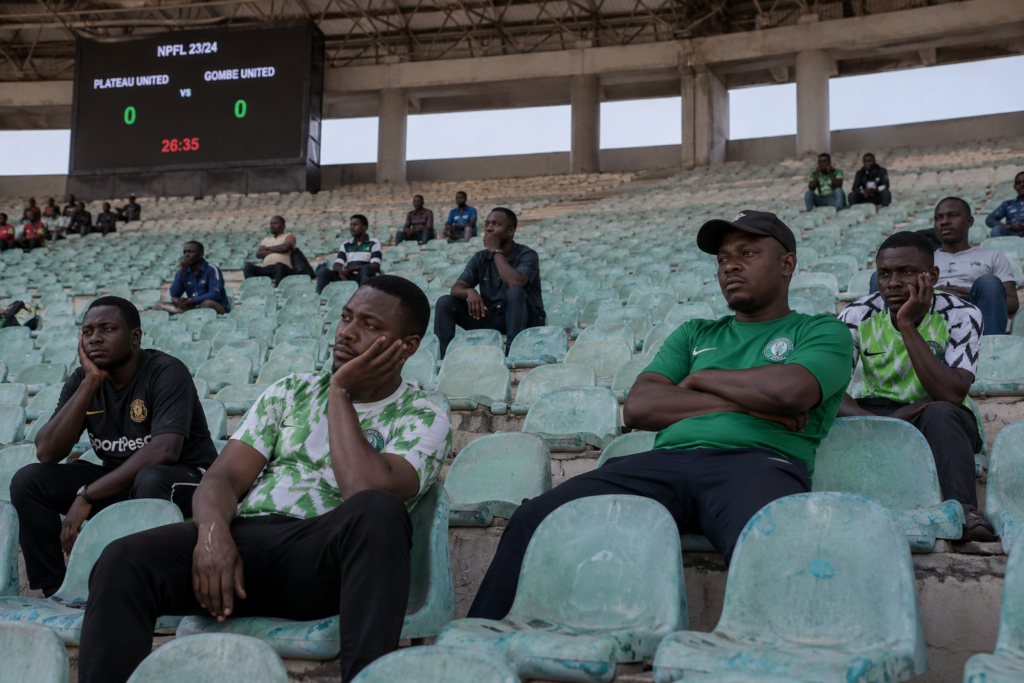
Then we look at the Nigeria Premier Football League.
In many cases, even fans of clubs do not know when their teams are playing.
Some stadiums struggle to attract five hundred spectators on matchdays.
To be fair, some clubs still manage to create genuine fan culture. Clubs in Northern Nigeria often enjoy impressive local support, and in the South, teams like Shooting Stars Sports Club and Ikorodu City FC have shown encouraging signs.
But overall, our clubs are not doing enough to give supporters an experience worth returning for. Matchday often feels lifeless. There is little storytelling, little emotional connection, little effort to create anticipation around games.
For years, many of us defended the league with the same tired excuse, “Fix Nigeria first, and the league will improve.”
But that excuse no longer holds water.
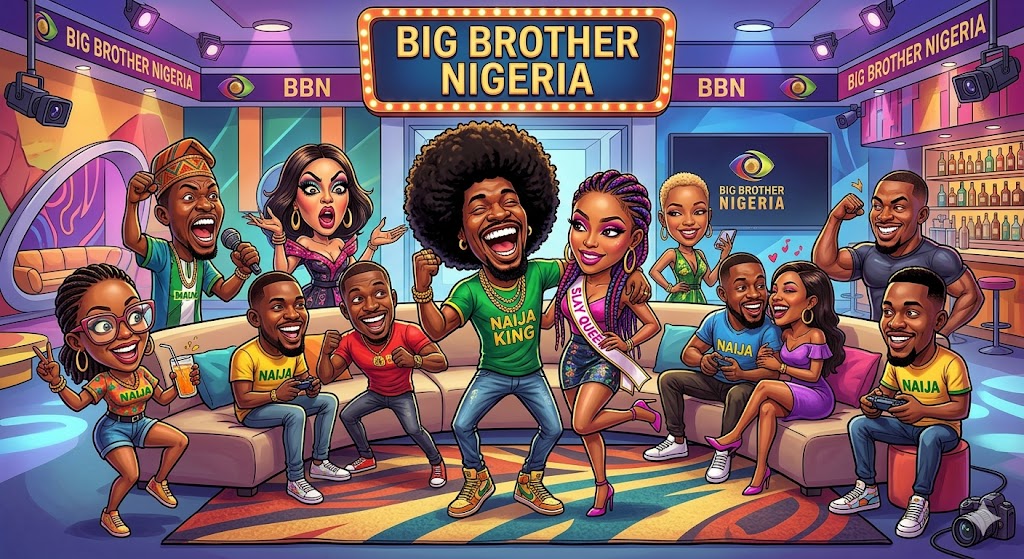
How does Big Brother Africa keep millions glued to their television screens for months despite existing in the same Nigeria?
How do artists like Davido fill stadiums and arenas?
How does Nollywood continue to thrive?
How are celebrity boxing events attracting sponsorships, online engagement, and international streaming partnerships?
It is the same country.
The same economy.
The same audience.
So maybe the problem is not simply Nigeria.
Maybe the problem is the people running Nigerian football.
Another Interesting Reality
Here is another striking detail.
The promoters of the Mushin vs Agege boxing event reportedly paid the fighters around $4,000 each, which is roughly five-and-a-half million naira.
On the other hand, the organisers of the Portable versus Carter Efe fight secured a partnership with DAZN, one of the biggest sports streaming platforms in the world.
Reports suggest Carter Efe earned around seventy million naira for the fight, while Portable earned approximately fifty million naira.
Think about that for a second, just think.
Two entertainers throwing chaotic punches generated more commercial value than many professional football matches in the Nigerian league.
Why?
Because somebody understood packaging. Somebody understood marketing. Somebody understood modern entertainment. The Hard Truth Nigerian Football Must Accept.
Professional football is not sustained by passion alone.
It is business. It is entertainment. It is storytelling. It is fan experience.
Right now, our league struggles to provide any of these consistently.
And until we stop pretending otherwise, nothing will change.
It is time for Nigerian football administrators to swallow their pride and start learning from industries that have figured out how to capture public attention, like Nollywood, the music industry, and now even entertainment boxing.
Because while they are evolving, adapting, and monetising attention, our league still behaves like fans owe it loyalty by default.
They do not.
Fans must be given a reason to care.
Until that happens, Nigerian league football will continue losing relevance in a country that desperately wants to be entertained.