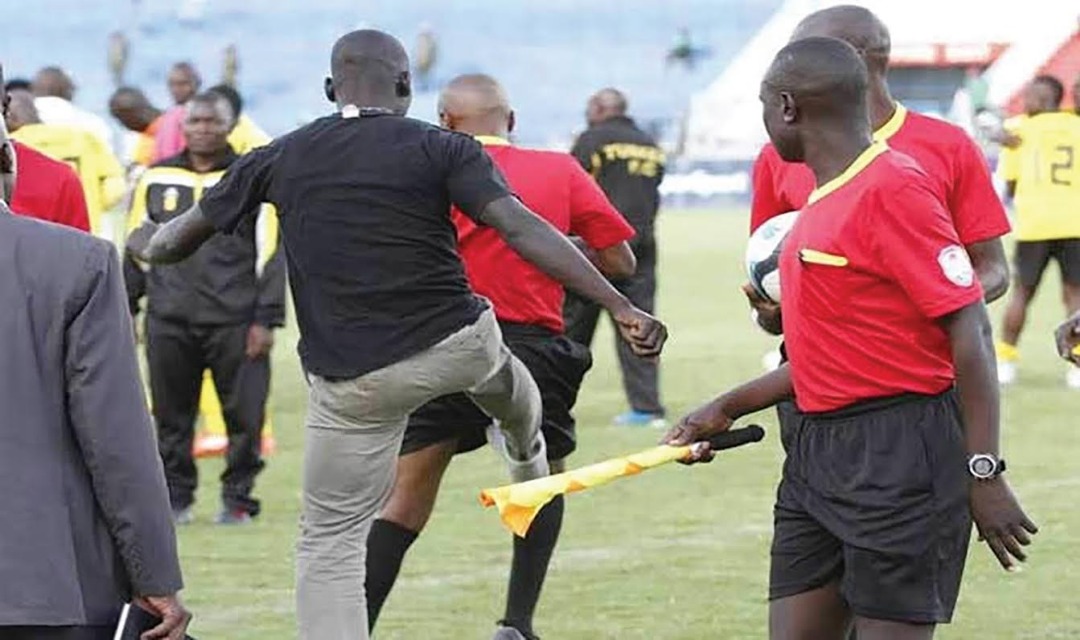
Nigerians watched in disbelief, first on live television, then on social media, the violence in Ilorin just after the match between Kwara United and Rivers United.
Fans, football analysts, social commentators, and concerned citizens have been foaming at the mouth ever since, proposing solutions and demanding drastic measures to curb the menace.
But here’s the uncomfortable truth: this won’t stop. Not in the next 10 or 20 years. Not regardless of the punishment handed to Kwara United. In fact, I see at least two more incidents of violence before this season ends.
Let us go to school: A Lesson from History
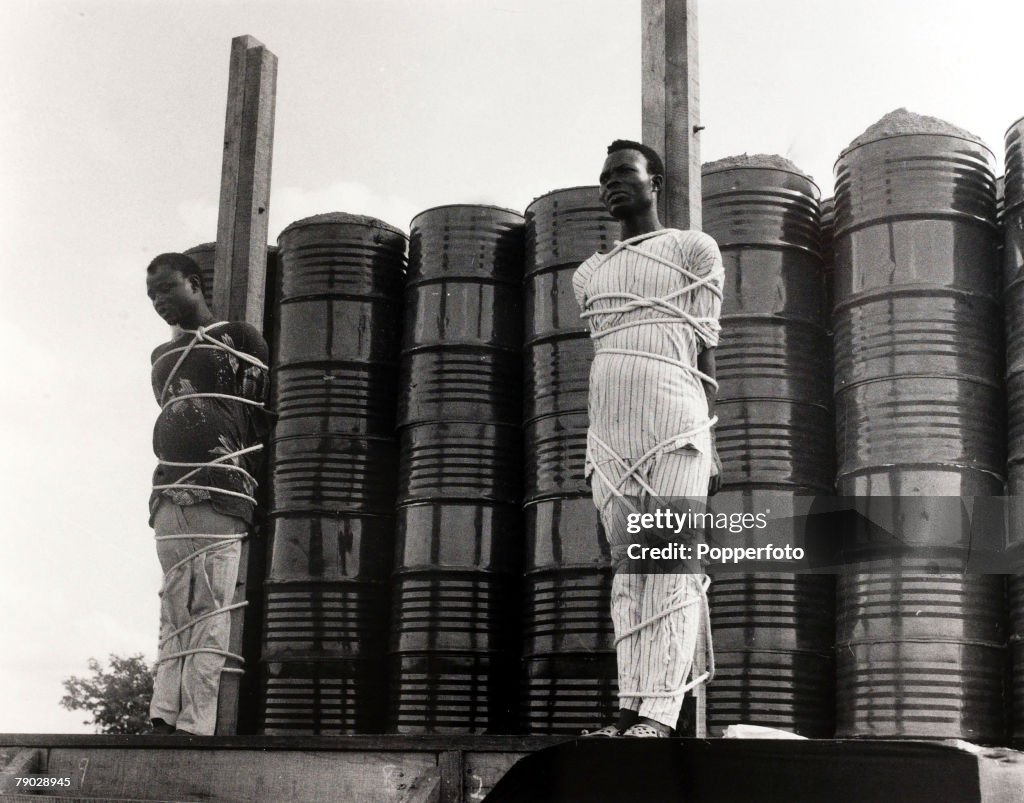
After the Nigerian Civil War ended in 1970, criminal activity surged, particularly in the southern part of the country. The military government responded by introducing the death penalty for armed robbery, which was execution by firing squad.
Death is the ultimate punishment. But did it stop armed robbery? Did it significantly reduce it?
No!
In many cases, criminals became more daring. Knowing the penalty was death if caught, they wasted no time killing their victims to avoid identification.
Consider drug trafficking in parts of East Asia. In several countries, the penalty is death by hanging or other severe measures. Yet drug trafficking persists. The numbers continue to rise.
The same applies to treason. The penalty for attempting a coup is death, yet military takeovers have never disappeared, especially across Africa.
Punishment alone rarely eliminates crime. And this is because, people are who they are.
Why League Violence Won’t Stop
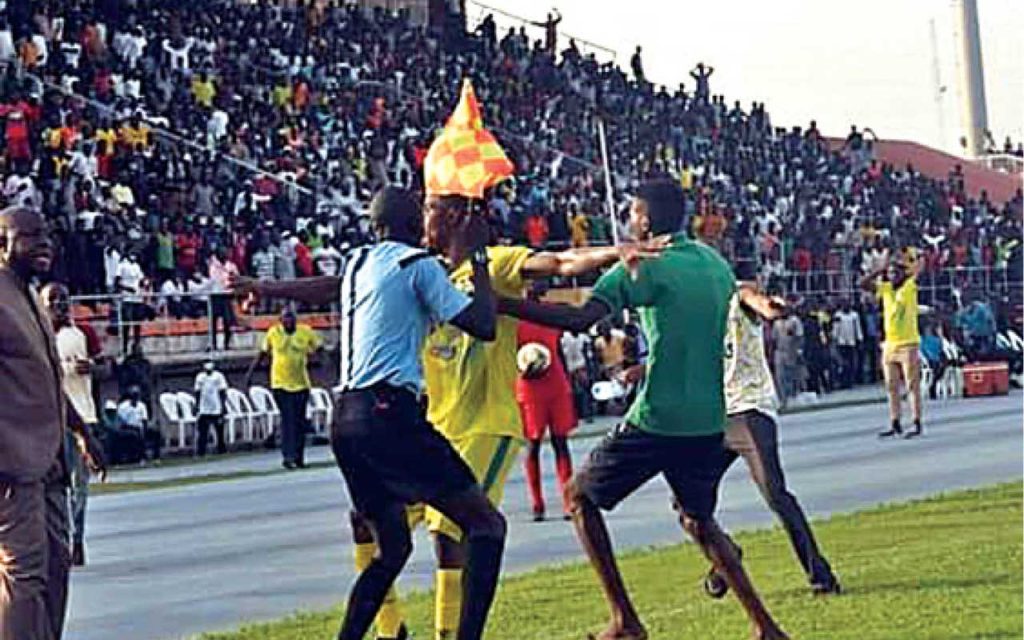
The point is simple: punishment hardly ever stops crime. People commit crimes.
At one point in the Nigerian league, fines were considered too soft. So, authorities began docking points, believing that would reset the brains of the perpetrators. Yet in recent years, despite points deductions, violence persists.
The uncomfortable reality? A significant portion of those who attend league matches are not genuine fans. They are individuals primed for chaos at the slightest provocation.
The issue is not merely the punishment. It is the structure of the fan base.
We Need New Fans
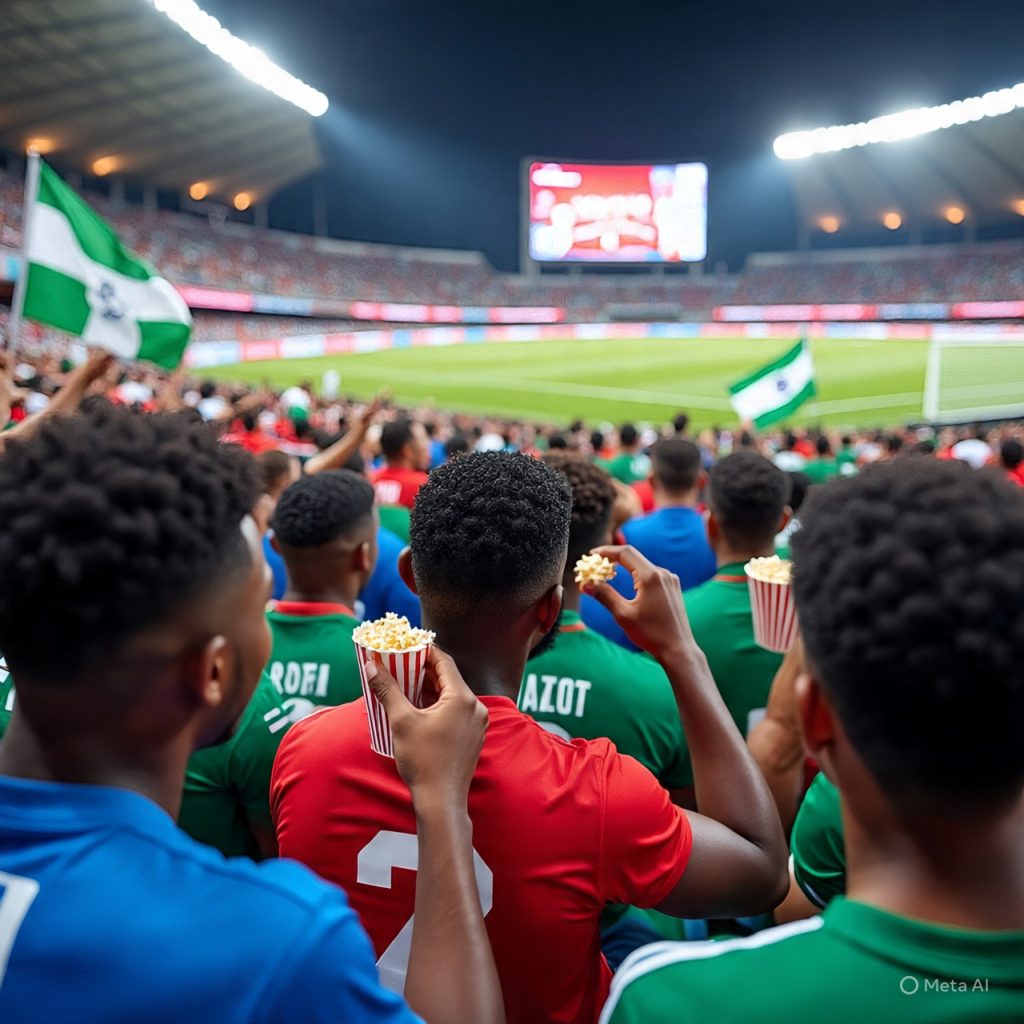
For the past five years, I have advocated for new fans in Nigerian football. The current culture is doing more harm than good.
Many of these so-called fans do not buy tickets. Some are even financially incentivised by clubs. They do not buy merchandise. They do not invest emotionally or financially in the growth of the game. Yet they are the first to resort to violence, and this is often to prove loyalty or repay perceived favours. Re-educating the fans is not longer an option, because the current fans base are who they are. They won’t change.
Let me give an example.
My son is 17. Sometimes he goes to the stadium with me. I do not see him, or any of my three sons, jumping over barriers to assault referees because a result went wrong.
If I attend a game with my friends- Cristian (who works with 9Mobile), Ifeanyi (in the oil and gas industry), or Tonye (a public speaker), I do not see them storming the pitch either.
Why?
Because responsible, ticket-paying individuals behave differently. Ownership changes behaviour.
Many of those who currently dominate our stadiums are jobless youths ushered in by unserious clubs who feel indebted, and express that “loyalty” through aggression.
Paying customers act differently.
A Tale of Two Industries
Why will Nigerians buy tickets to a comedy show for ₦7,000 (regular) or ₦1 million (VVIP table), yet resist paying ₦500 for a football match?
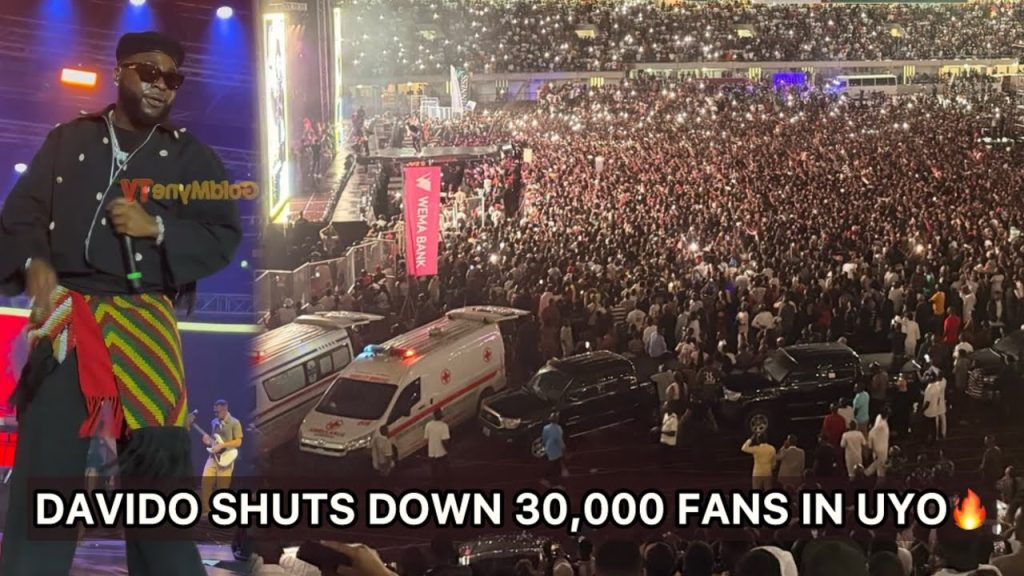
Last year in Uyo, in the CAF Champions League, Rivers United made entry free to attract fans, and still struggled to gather 500 spectators.
The next day, at the same stadium, there was a Davido concert. Thirty thousand seats were filled. Young people scrambled for tickets.
What’s the difference?
Value. Experience. Perception.
What is the value of our league? What fan experience do we get by going to the stadium? How is our league seen in the eyes of the people?
Tear It All Down
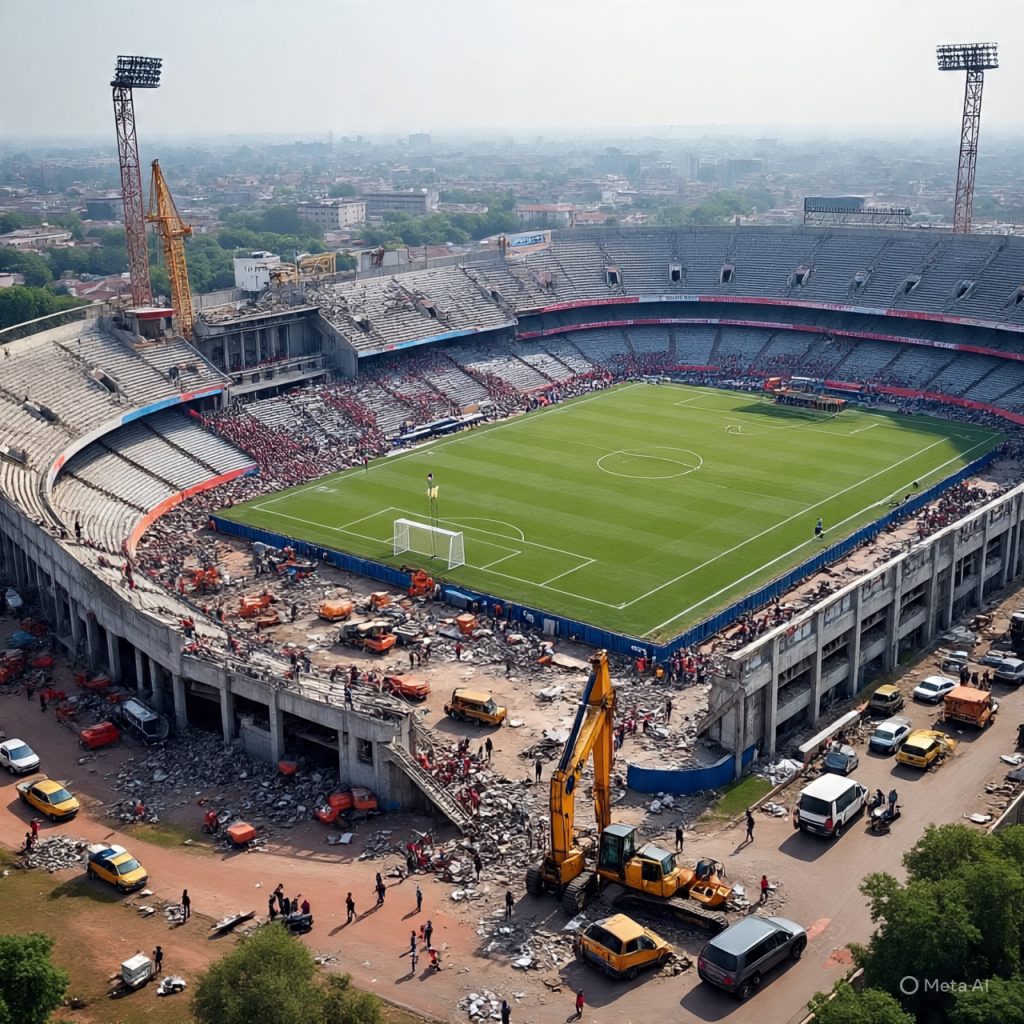
The day we dismantle this broken structure called the league is the day we begin to be taken seriously.
For over 10 years, there has been little real progress. Those running Nigerian football often behave as though the game begins and ends with the Super Eagles.
It does not.
The Baby Boomers (Born 1946 to 1964) can tell glorious stories of the league in the 70s and 80s. Those days are gone.
My generation, Gen X (born 1965 to 1980) has largely moved on. We experienced the Nigerian league at its peak. We also discovered European football. We are not going back to dysfunction.
The Millennials ( born 1981 to 1996) began watching during its decline. Many now follow it only for betting purposes.
Then comes Gen Z (1997 to 2012) raised on computers, Instagram, and TikTok. They demand colour, energy, production value. My youngest son was five during the 2022 World Cup. He recognised Mbappé, Salah, Drogba. He cannot name a single Nigerian league player.

Soon comes Gen Alpha. (Born between 2010 and 2025)
We are losing entire generations.
The Nigerian Football Federation can choose to rebuild, and involve people like me, who understand culture, branding, and youth engagement, or we can continue watching European football while our own league becomes a danger zone.
One thing is certain: Gen Z and Gen Alpha will not abandon their handheld devices to participate in stadium violence. First, you would have to convince them to even attend.
My seven minutes are up.